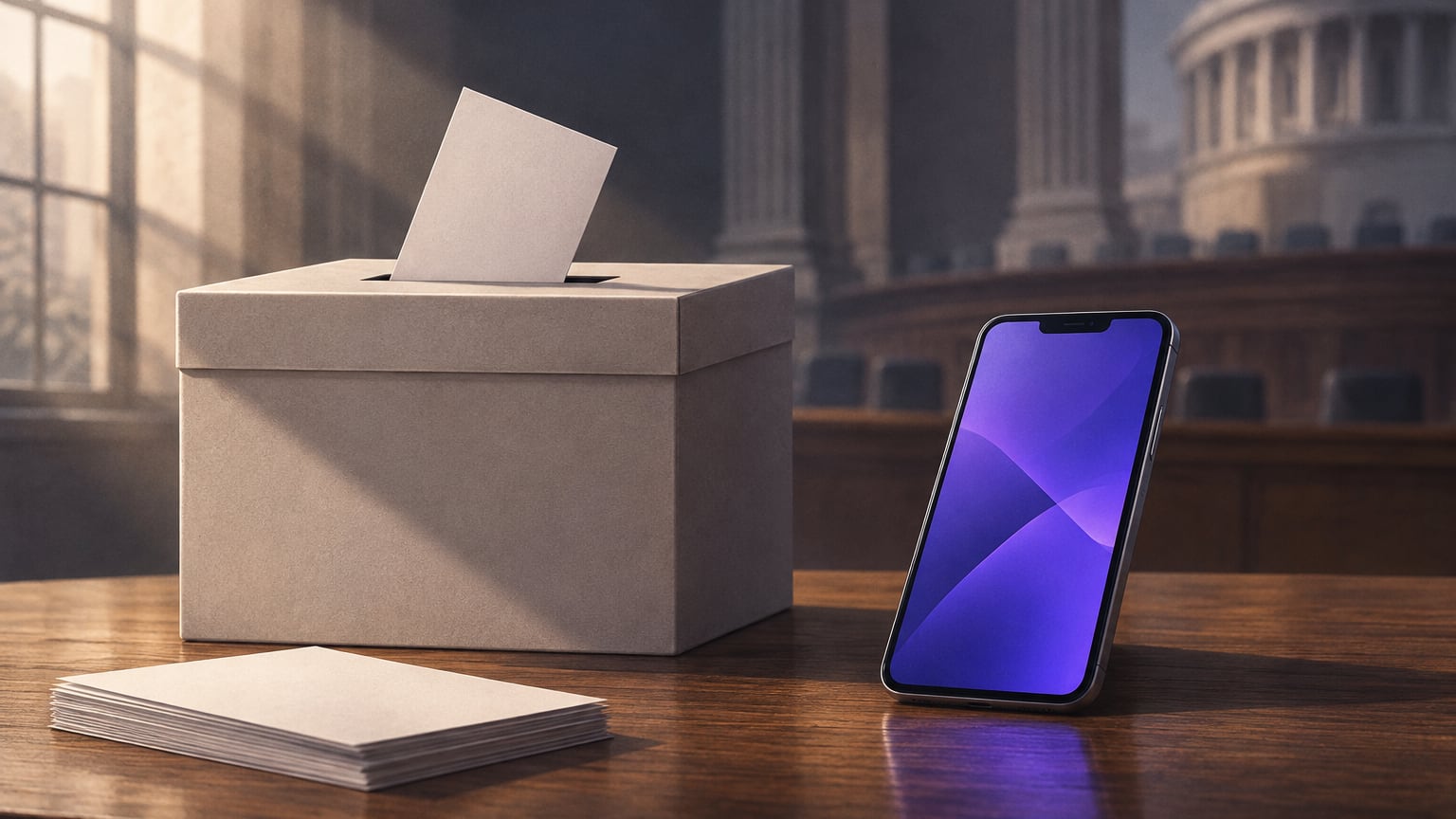
Rep. Ro Khanna calls for federal ban on sports event contracts
The California Democrat said sports prediction markets evade gambling laws and consumer safeguards. He has not proposed legislation on the issue.

Key points
- Rep. Ro Khanna called on Congress to ban sports event contracts in a November 10, 2026, post.
- Khanna said the contracts expose young Americans to health risks and evade consumer safeguards.
- Sen. Adam Schiff and Sen. John Curtis earlier proposed a bill targeting sports and casino-style markets.
- Twenty states are involved in litigation with prediction market companies, according to Covers.
California Rep. Ro Khanna called on Congress to ban sports event contracts in a November 10, 2026, social media post, arguing that prediction markets present gambling as financial trading and expose young Americans to health risks.
Khanna, a Democrat, also alleged that the markets bypass state and tribal gambling laws and consumer protections, drain state tax revenue and fuel addiction. Covers reported that he had not proposed legislation on the matter.
Sports prediction markets are sports betting disguised as financial trading.
The call comes as prediction market companies including Kalshi and Polymarket face challenges over the legality of sports contracts. Khanna's statement adds to efforts in Congress to restrict the products.
California Sen. Adam Schiff and Utah Sen. John Curtis proposed a bipartisan bill earlier this year to prohibit prediction market operators from offering sports contracts and casino-style markets, according to Covers.
The Commodity Futures Trading Commission regulates prediction markets. Covers reported that Nevada, Michigan and other states have pushed sports event contracts out of their jurisdictions.
Twenty states are involved in litigation with prediction market companies, while Utah recently filed criminal charges against Kalshi's co-founders, Covers reported. Gaming regulators in the jurisdictions involved argue that the markets violate state gambling laws; Kalshi and other exchanges say they answer only to the federal commission.
Multiple judges have ruled against the operators' position, according to Covers. The outlet reported that the Supreme Court is eventually expected to rule on what prediction markets can offer as the state-level legal disputes continue.
Sources
This story is based on reporting by:
We retell the facts in our own words, check every number against the sources and link to the originals.
Gembly is an AI-assisted newsroom. Each story is drafted from several sources, checked automatically and reviewed by an editor when a check fails. How we work →